
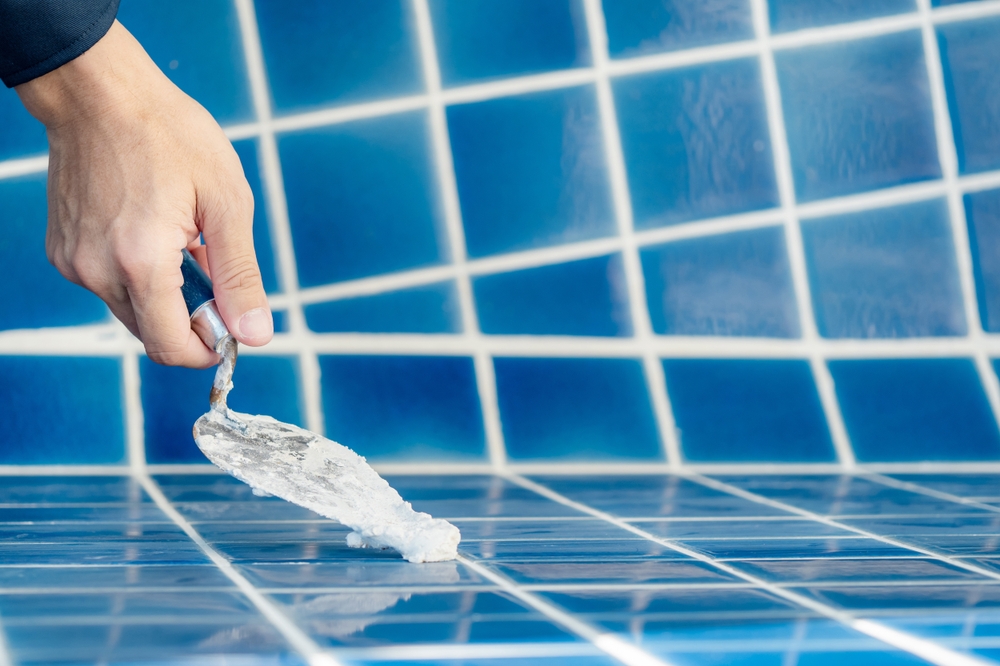
Pool Plaster Staining & Discoloration Solutions
October 5, 2026 4:54 pm Leave your thoughtsA clean pool finish can make the entire backyard look brighter, but stains, blotches, and uneven discoloration can quickly change that appearance. In Columbia, SC, long swimming seasons, intense summer heat, thunderstorms, organic debris, and changing pool chemistry can all contribute to visible changes in plaster.
Quick answer: Pool plaster staining and discoloration may come from metals in the water, leaves and other organic material, mineral deposits, chemical imbalance, surface aging, or problems within the plaster itself. Some discoloration responds to cleaning or water-chemistry correction, while widespread deterioration may require professional resurfacing. Identifying the cause before treating the stain is the key to choosing the right solution.
What local pool owners should know
-
Brown, green, reddish, gray, or dark stains can have different causes, so appearance alone does not always provide a reliable diagnosis.
-
Columbia’s hot summers can increase evaporation and make consistent water testing especially important during periods of heavy pool use.
-
Storms across the Midlands can introduce leaves, soil, pollen, and other debris that may contribute to organic staining if allowed to remain on plaster.
-
Roughness, pitting, widespread mottling, or exposed aggregate can indicate a surface problem rather than a simple removable stain.
-
Aggressive chemical treatment without identifying the cause can damage plaster instead of improving its appearance.
Why Does Pool Plaster Discoloration Matter in Columbia?
Pool plaster discoloration matters in Columbia because the local swimming environment puts pool surfaces through extended periods of heat, sunlight, rainfall, debris exposure, and water-chemistry adjustments. What begins as a cosmetic mark can sometimes point to mineral buildup, metal staining, organic material, or deterioration of the plaster surface.
Pools in Richland County and nearby Lexington County may stay active for a long portion of the year. Properties around Forest Acres, Shandon, Lake Murray, and other Midlands communities can also deal with pollen, leaves, storm debris, and changing water levels.
Can Do Plaster Crew helps property owners evaluate plaster surfaces and determine when discoloration may call for professional attention. We focus on the condition of the finish so pool owners can better understand whether they are dealing with staining, surface wear, or a larger plaster issue.
What Do Local Data and Field Conditions Tell Pool Owners?
Local weather data confirms that Columbia experiences the kind of sustained summer heat that makes careful pool maintenance especially valuable. National Weather Service climate normals show July as the area’s hottest month by average temperature, and prolonged stretches of 90-degree weather are common during summer.
For pool owners, that heat means evaporation and water replacement deserve attention. Heavy summer thunderstorms can create the opposite challenge by rapidly adding water and debris.
Those changes do not automatically cause plaster staining, but they make regular testing, cleaning, and surface inspection worthwhile throughout the Midlands swimming season.
How Can Staining Affect a Pool Surface?
Pool staining can affect both the appearance of the finish and a homeowner’s ability to recognize developing plaster deterioration. A stain that looks purely cosmetic may occur alongside scaling, roughness, etching, pitting, or other changes that require a different solution.
This is particularly relevant for older pools in established areas such as Shandon, Rosewood, Forest Acres, and neighborhoods around downtown Columbia. When the finish has already experienced years of chemical exposure and seasonal use, determining the condition of the plaster itself becomes an important part of choosing a treatment.
What Are the Warning Signs of Pool Plaster Problems?
Common warning signs include persistent stains, uneven color, rough areas, pitting, scaling, and discoloration that returns after normal cleaning. Pool owners should look at both the color of the surface and its physical texture before assuming that cleaning alone will solve the problem.
Watch for:
-
Brown, rust-colored, or reddish spots
-
Greenish or dark organic-looking stains
-
White or light-colored mineral deposits
-
Gray or uneven areas across the finish
-
Rough plaster that catches on a hand or cleaning tool
-
Pitting, erosion, or small deteriorated areas
-
Widespread mottling that does not respond to routine maintenance
-
Staining that repeatedly returns after treatment
A professional assessment becomes more useful when several of these signs occur together.
When Should You Call a Pool Plaster Professional?
Call a pool plaster professional when discoloration is widespread, the surface feels damaged, stains keep returning, or ordinary pool maintenance does not correct the appearance. A professional can help distinguish a maintenance issue from deterioration that may require more substantial surface work.
Columbia homeowners can safely monitor water chemistry, remove debris promptly, brush appropriate pool surfaces, and document changes in appearance. DIY treatment should stop when the stain’s cause is uncertain or when the plaster shows roughness, pitting, cracking, or significant wear.
Using increasingly aggressive chemicals simply because a stain remains visible can create additional surface problems.
What Commonly Causes Pool Plaster Stains in the Midlands?
The most common categories of pool plaster discoloration are metal staining, organic staining, mineral deposits, water-chemistry problems, and deterioration of the finish. Local heat, vegetation, storms, and a long pool season can influence how frequently owners encounter these conditions.
1. Organic material: Leaves, berries, pollen, and other plant debris can settle on the pool floor or steps. This is particularly relevant on wooded properties around Richland County and Lake Murray.
2. Metals: Metals present in pool water or introduced from certain sources can react and leave colored stains on plaster.
3. Mineral deposits: Scaling can create white, gray, or uneven deposits and may also make the surface feel rough.
4. Water imbalance: Improper pH and other chemistry conditions can contribute to scaling or deterioration over time.
5. Aging plaster: An older finish may develop mottling, roughness, discoloration, or wear that cannot simply be scrubbed away.
How Can Columbia Pool Owners Prevent Discoloration?
The best way to reduce pool plaster discoloration is to maintain balanced water, remove debris promptly, inspect the surface regularly, and investigate new stains before using aggressive treatments. Consistent maintenance is especially useful during the hot Midlands summer and after strong thunderstorms.
Test pool water on a regular schedule appropriate for the pool and season. Keep leaves and plant material from sitting on the plaster, and pay extra attention after storms. Monitor areas around steps, benches, drains, and other places where debris can collect.
Take photos when new discoloration appears. Comparing the same location over several weeks can help show whether a mark is stable, spreading, or associated with a changing surface texture.
What Results Can You Expect From Stain Treatment or Plaster Work?
Expected results depend on whether the discoloration is sitting on a sound plaster surface or is part of deterioration within the finish itself. Some stains may improve after their source is identified and properly treated, while deteriorated or heavily worn plaster may need resurfacing to restore a more consistent finish.
The important distinction is between treating a contaminant and addressing the substrate itself. If the plaster is structurally worn, repeatedly attacking the visible color may not correct the underlying condition.
What Mistakes Should Pool Owners Avoid?
The biggest mistake is treating every discoloration as the same type of stain. Different causes require different responses, and guessing can waste time or expose the plaster to unnecessary chemical treatment.
Mistake: Adding stain-removal chemicals without diagnosing the problem.
Consequence: The treatment may be ineffective or unnecessarily harsh.
Better approach: Identify whether the discoloration appears organic, metallic, mineral-related, or connected to plaster deterioration.
Mistake: Leaving storm debris on the pool floor.
Consequence: Organic material has more time to leave marks.
Better approach: Clean the pool promptly after Midlands thunderstorms and windy weather.
Mistake: Ignoring roughness because the water still looks clear.
Consequence: Surface deterioration may continue unnoticed.
Better approach: Include the physical condition of the plaster in routine inspections.
What Is a Common Local Pool-Staining Scenario?
A common Columbia scenario is a plaster pool that looks normal early in the season but develops scattered discoloration after weeks of heat, storms, debris, and repeated water adjustments. The owner may brush the affected areas but notice that some marks remain or that sections of plaster feel different from surrounding areas.
This is not a case study or a diagnosis of any specific pool. It illustrates why evaluating both water conditions and the physical finish is more useful than selecting a treatment based only on stain color.
What Service Solutions Address Pool Plaster Discoloration?
The right service solution depends on whether the pool has removable staining, surface deposits, isolated deterioration, or an aging finish that needs more extensive plaster work. An inspection can help determine whether maintenance and stain treatment remain reasonable or whether resurfacing should be considered.
For pools with substantial plaster wear, professional surface work can address the finish itself rather than repeatedly treating its appearance.
How Do You Compare DIY Treatment With Professional Service?
DIY maintenance works best for routine cleaning and monitoring, while professional evaluation is more appropriate for persistent stains, uncertain causes, and visible plaster deterioration. The decision should be based on the condition of the surface rather than how frustrating the discoloration looks.
Routine skimming, debris removal, appropriate brushing, and water testing are reasonable homeowner tasks. Professional help becomes more valuable when the finish is rough, etched, pitted, extensively mottled, or unresponsive to ordinary maintenance.
That distinction can prevent a cosmetic problem from turning into unnecessary trial-and-error treatment.
Where Are Pool Plaster Solutions Available Locally?
Pool plaster solutions can serve homeowners throughout Columbia and surrounding Midlands communities where aging finishes and long swimming seasons create ongoing maintenance needs. Nearby areas may include Forest Acres, Lexington, Irmo, and communities around Lake Murray.
Property owners should evaluate their individual pool finish and water conditions rather than assume that stains have the same cause from one neighborhood to another.
What Can Happen If You Ignore Persistent Discoloration?
Ignoring persistent discoloration can allow an underlying maintenance or plaster condition to remain unidentified. A harmless-looking stain may stay cosmetic, but roughness, scaling, pitting, or widespread finish deterioration deserves closer attention before more surface wear develops.
For local homeowners, early evaluation can also make planning easier. Knowing the condition of the finish before peak swimming season gives you more information about whether routine maintenance is sufficient or larger plaster work should be considered.
FAQ About Pool Plaster Staining and Discoloration
What causes brown stains on pool plaster in Columbia, SC?
Brown stains can be associated with metals, organic material, or other deposits, so the cause should be identified before treatment. Leaves and plant debris are especially worth checking after local storms. Because different staining sources can produce similar colors, stain color alone should not be treated as a definitive diagnosis.
Does Columbia’s summer heat affect pool plaster?
Summer heat can indirectly affect plaster by increasing evaporation and the need to monitor water conditions closely. National Weather Service climate information shows that the Midlands experiences very warm summers. Maintaining consistent pool chemistry during hot periods helps reduce conditions that can contribute to scaling or surface deterioration.
Can leaves stain a plaster pool in Richland County?
Yes, organic debris can leave discoloration when it remains in contact with a pool surface. Properties with mature trees or heavy seasonal debris should remove leaves, berries, and similar material promptly. Regular skimming and cleaning after thunderstorms can reduce the amount of organic material resting on plaster.
Does every pool stain require resurfacing?
No, not every pool stain requires resurfacing. Some discoloration may be related to deposits or contaminants on an otherwise serviceable finish. Resurfacing becomes more relevant when staining accompanies significant plaster wear, roughness, pitting, deterioration, or a finish that has reached a condition where surface treatment is insufficient.
Why does my pool plaster look blotchy?
Blotchy plaster can result from several conditions, including deposits, water chemistry, staining, or characteristics of the finish itself. Because mottling and staining can look similar from above the water, an evaluation of both color and surface texture can help determine what type of corrective action is appropriate.
Should I treat pool stains myself?
Routine cleaning and monitoring can be handled by many homeowners, but aggressive stain treatment should wait until the likely cause is understood. If your Columbia pool has widespread discoloration, rough plaster, pitting, or stains that keep returning, professional evaluation can reduce the risk of using an inappropriate treatment.
When is a good time to inspect pool plaster in the Midlands?
Inspecting plaster before peak swimming season and periodically through summer can make developing problems easier to spot. It is also useful to check the surface after periods of severe weather or unusually heavy debris. Look for changes in color, texture, scaling, pitting, and areas that no longer respond to normal cleaning.
Can an older Lake Murray-area pool develop permanent discoloration?
An older pool finish can develop discoloration associated with long-term surface wear, although permanence depends on the actual cause. If cleaning and appropriate water management do not improve the appearance, or if the plaster is visibly deteriorated, a professional assessment can help determine whether resurfacing is a more suitable option.
Pool plaster discoloration does not have a single solution. For Columbia-area homeowners, the best approach is to identify the source, maintain the water carefully, watch for changes in surface texture, and address deterioration before relying on repeated stain treatments.
Restore a Cleaner, More Consistent Pool Finish
We help Midlands pool owners understand when staining is a maintenance concern and when the plaster itself may need professional attention.
Categorised in: Pool Repair
This post was written by admin