
Rough Surface? The Homeowner’s Guide to Pool Plaster Decay and Repair in Columbia
May 11, 2026 8:25 pm Leave your thoughtsIf you have ever stepped into your backyard pool and felt an uncomfortable roughness beneath your feet, you already know the frustration of deteriorating pool plaster. For homeowners in Columbia, SC and the surrounding Lexington, SC area, this is a surprisingly common problem. The region’s warm summers, fluctuating water chemistry, and heavy seasonal use can accelerate plaster wear faster than many people expect.
Understanding what causes plaster decay, how to spot it early, and what your repair options look like can save you thousands of dollars and protect your investment for years to come.
What Causes Pool Plaster to Break Down?
Pool plaster is a durable material, but it is not indestructible. Over time, a combination of chemical exposure, physical wear, and environmental stress causes the surface to degrade. In Columbia and Lexington, SC, the extended swim season means pools are in use for a larger portion of the year compared to cooler climates. This adds up to more hours of contact between pool water and the plaster surface.
One of the leading causes of plaster breakdown is unbalanced water chemistry. When pH levels, calcium hardness, and total alkalinity are not kept within the correct ranges, the water becomes either too aggressive or too scale-forming. Aggressive water literally eats away at the plaster surface, causing it to become rough and pitted. Scale-forming water deposits calcium and minerals onto the surface, creating a crusty texture that is both uncomfortable and difficult to clean.
Another major factor is age. Most pool plaster has a lifespan of roughly 10 to 15 years under normal conditions. If your pool was plastered during a home renovation and has not been resurfaced since, it may simply be reaching the end of its natural life cycle. Physical causes such as pool chip repair needs, ground movement, tree root intrusion, or improper drainage can also create cracks and chips that expose the underlying shell to water damage.
How to Identify Plaster Decay Before It Gets Worse
Catching pool plaster problems early is the key to avoiding a full-scale resurfacing project. There are several warning signs that homeowners in the Columbia, SC area should watch for throughout the swim season.
Rough or sandpaper-like texture on the pool floor and walls is one of the earliest indicators that pool plaster repair may be needed. This roughness is caused by the gradual erosion of the top layer of plaster, which exposes the coarser aggregate material beneath. Swimmers often notice it on the soles of their feet or when pushing off from the wall.
Discoloration and staining that cannot be removed through standard cleaning is another red flag. While some staining comes from algae or mineral deposits, persistent discoloration that spreads across large sections of the pool often signals that the plaster is breaking down at a structural level.
Visible cracks, chipping, or flaking are more advanced signs that your pool needs attention. Small hairline cracks can sometimes be addressed with spot treatments through pool chip repair services, but larger cracks that penetrate the plaster layer require a more comprehensive approach. If water loss is occurring alongside these visible cracks, the structural shell of the pool may also be compromised, making prompt action even more important.
Hollow spots, sometimes called spalling or delamination, occur when sections of plaster separate from the pool shell beneath. You can sometimes identify these areas by tapping the surface gently. A hollow sound indicates that the bond between the plaster and the shell has failed. Left untreated, these sections will continue to deteriorate and can create sharp edges that pose a safety risk to swimmers.
Your Pool Repair and Resurfacing Options
Once you have identified that your pool needs work, the next step is understanding what type of service is appropriate. Not every situation calls for a complete overhaul. In many cases, targeted repairs can restore the surface and extend the life of the existing plaster by several years.
For localized damage such as chips, cracks, and small hollow spots, pool chip repair services can address the problem without requiring a full drain and replaster. A qualified swimming pool plastering contractor in SC will assess the damage, prepare the affected area, and apply a compatible plaster patch that blends with the existing surface. While patch repairs are rarely invisible, they are cost-effective and can hold up well when the surrounding plaster is still in good condition.
Pool tile repair and installation is another service that often accompanies plaster work. The tile line at the waterline is particularly vulnerable to calcium buildup, freeze-thaw stress (even in milder South Carolina winters), and physical impact. Cracked, loose, or missing tiles should be replaced promptly because water that penetrates behind the tile can accelerate damage to the underlying surface. Refreshing the tile line is also an opportunity to update the look of your pool with new colors or patterns.
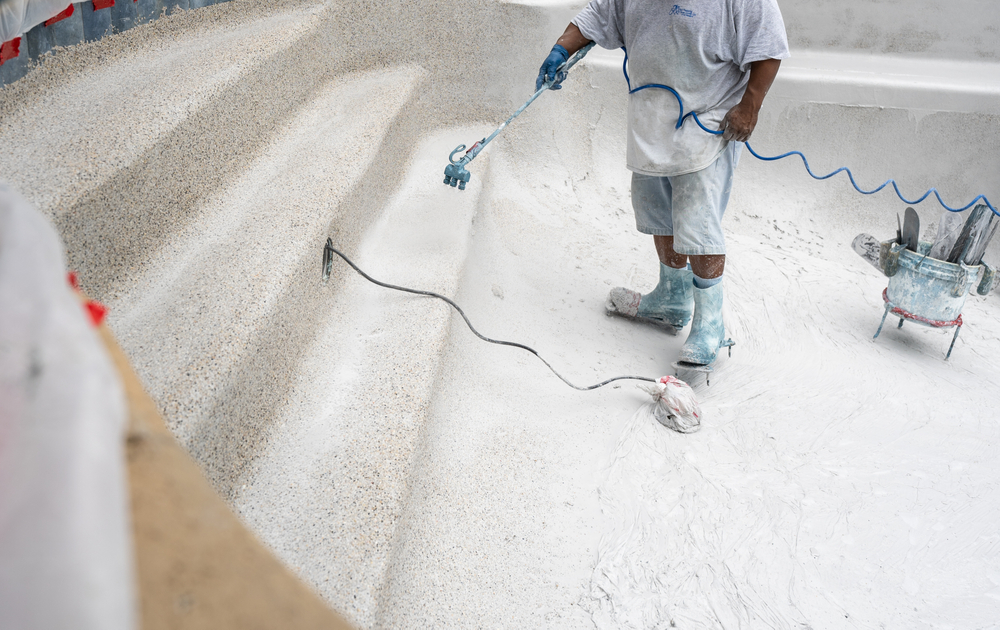
When the overall condition of the plaster has declined past the point where spot repairs make sense, swimming pool resurfacing in Lexington, SC and Columbia becomes the right solution. Full resurfacing involves draining the pool, preparing the shell, and applying a complete new coat of plaster or an alternative finish. Homeowners today have more choices than ever when it comes to finish materials. Standard white plaster remains a classic and affordable option, while colored plaster blends can create a range of water color effects. Exposed aggregate finishes, which incorporate pebbles, quartz, or glass beads into the surface material, offer enhanced durability and a distinctive appearance.
For those interested in a broader transformation, residential pool remodeling in Columbia opens the door to more significant upgrades. Beyond resurfacing, remodeling projects can include reshaping the pool, adding or updating water features, installing new lighting systems, and reconfiguring the deck and coping. If you are already investing in a resurfacing project, it is worth consulting with a contractor about whether any structural or aesthetic upgrades make sense at the same time.
Choosing the Right Pool Contractor in the Columbia Area
Selecting the right swimming pool plastering contractor in SC is one of the most important decisions in the repair process. Pool plaster work is a skilled trade, and the quality of the application has a direct impact on how long the finished surface will last. Before hiring anyone, take the time to verify that the contractor is licensed and insured in South Carolina, and ask to see examples of completed projects similar to yours.
Experience with local conditions matters. Contractors who have worked extensively in the Columbia, SC and Lexington, SC markets understand the specific challenges posed by local water chemistry, soil composition, and climate. They are also more likely to have established relationships with quality suppliers, which can affect the materials used in your project.
Get multiple quotes and make sure each one includes a clear breakdown of labor, materials, preparation work, and any additional services such as pool tile repair and installation or chip repair. Avoid any contractor who is unwilling to provide a written contract or who asks for full payment upfront.
References from previous clients are valuable. Ask specifically about how the contractor handled any issues that came up during or after the project. A contractor who communicates clearly and follows through on their commitments is worth prioritizing even if their quote is not the lowest.
Conclusion
Pool plaster decay is a manageable problem when it is caught early and addressed by skilled professionals. Whether you need targeted pool chip repair services, a fresh tile installation, or a full swimming pool resurfacing project in the Lexington, SC or Columbia, SC area, acting promptly protects both your pool and your budget. Take the time to find a reputable swimming pool plastering contractor in SC, and your pool will be back to providing a smooth, enjoyable surface for seasons to come.
Need Pool Repair Services in Columbia, SC?
With over 30 years of experience, the Can Do Plaster Crew is capable of taking care of all your swimming pool needs. We make sure to be professional and time-efficient with everything that we do, priding ourselves on the level of work we produce and our customer service. At Can Do Plaster Crew, we handle a wide variety of pool maintenance repairs, including resurfacing, tiling, plastering, some plumbing, lighting, and deck work. Can Do Plaster Crew is a one-stop shop for your pool’s needs. If yours is in need of an upgrade in functionality or style, give us a call. We are available after our regular business hours by request, so call us now!
Categorised in: Pool Repair
This post was written by admin